Loading page…
Documentation/Guide
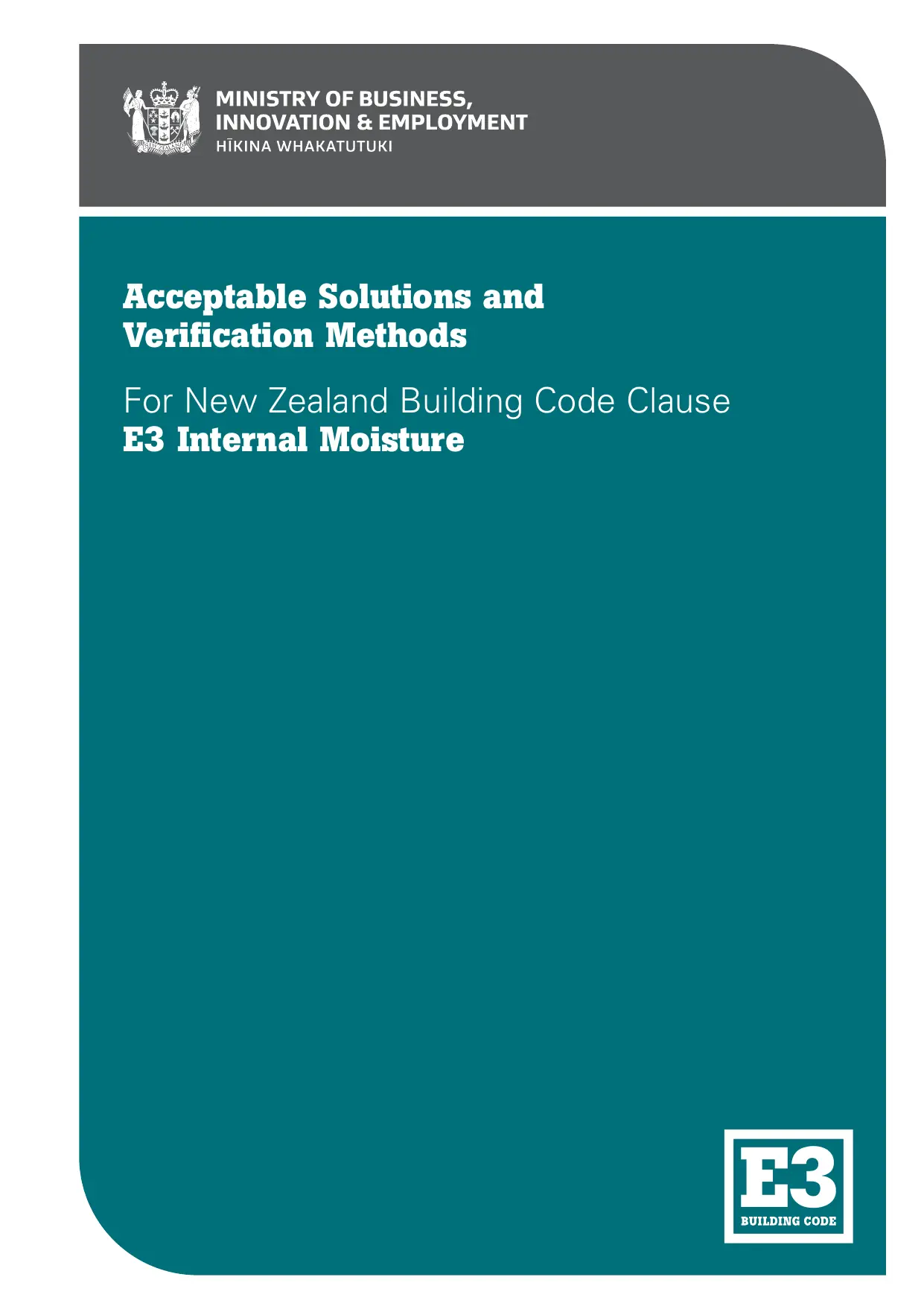
New Zealand Building Code E3 Internal Moisture Compliance Document
by Emma Winick
About this asset
This official New Zealand Building Code E3 Internal Moisture compliance document provides essential standards for moisture control. The document serves as the primary regulatory framework for managing internal moisture within buildings in New Zealand. It outlines the specific Acceptable Solutions and Verification Methods required to meet the E3 clause of the Building Code. The content details performance requirements for building envelopes, surface finishes, and drainage systems to prevent moisture accumulation and structural damage. It includes technical specifications for moisture-resistant materials and construction practices, ensuring that interior spaces maintain healthy, dry environments. This regulatory text is a critical reference for architects, engineers, and building contractors operating within the New Zealand regulatory environment.
The download is a 942 KB file with the texture set at 2K, ready for any metal/roughness PBR workflow in Blender, 3ds Max, SketchUp, Unreal Engine or D5.
Professional users integrate this document into their project workflow as a primary reference for compliance verification during the design and documentation stages. Architects and consultants reference these specific clauses to ensure that building assemblies, material specifications, and detailing meet statutory requirements. In a BIM or CAD environment, this data informs the selection of moisture-resistant wall linings, flooring, and joinery details. Practitioners should consult the latest version of this document alongside project-specific engineering reports to confirm that all proposed construction methodologies align with current national standards.